Mastering the 100-Yolk Pasta Dough
By The Artisan Craftsmen • Updated February 2026
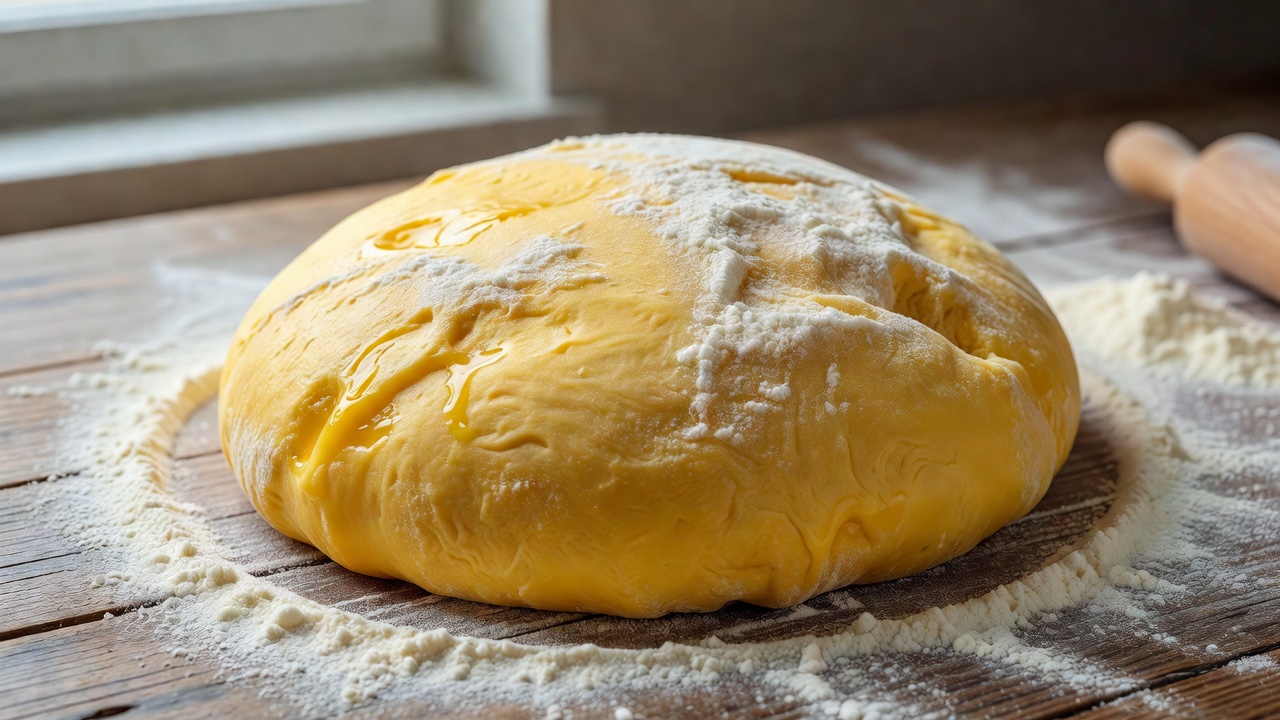
In the culinary world, Piedmont’s famous Tajarin (a dialect word for tagliolini) is legendary. Its unmistakable deep golden hue, rich flavor, and incredibly delicate bite stem from one extreme technique: the high-yolk dough, sometimes famously referred to as "100-yolk pasta."
Why Egg Yolks Instead of Whole Eggs?
Traditional fresh pasta from Emilia-Romagna follows a simple rule: 1 whole egg per 100g of "00" flour. The egg whites add water and protein, providing a sturdy structure ideal for tortellini and broad pappardelle.
However, egg whites contain over 85% water, which yields a tougher bite once cooked. By replacing whole eggs entirely with yolks (which are roughly 50% fat and 50% water), you dramatically lower the hydration while significantly increasing the fat content. This results in a dough that is incredibly rich, elastic, and snaps beautifully when bitten.
The Flour: "00" vs Semolina
For a high-yolk dough, you must use Doppio Zero ("00") soft wheat flour. The fine milling process ensures that the limited moisture from the yolks is absorbed smoothly. Semolina, made from hard durum wheat, requires more water to hydrate properly and is better suited for extruded, eggless pasta.
The Ratios and Kneading
- The Base Ratio: 500g of "00" flour to roughly 380g of egg yolks. (This usually equates to about 20-25 yolks, depending on the egg size. The "100 yolk" name historically scales up to a massive 2.5kg flour batch!)
- The Well Method: Mound the flour, create a deep crater, and pour the yolks into the center. Incorporate slowly with a fork to avoid lumps.
- Kneading: A high-yolk dough is notoriously stiff at first. It requires aggressive kneading for at least 10-15 minutes until it becomes smooth, silky, and uniform in its golden color.
- Resting: Do not skip this step! Wrap tightly in plastic wrap and rest for a minimum of 60 minutes to allow the gluten network to relax and hydration to equalize.
Once rested, this dough is perfect for running through a machine. Looking for the best equipment? Visit our Tools of the Trade guide for recommendations on pasta rollers and extruders.