Bronze Die Extruders vs. Teflon
By The Artisan Craftsmen • Updated February 2026
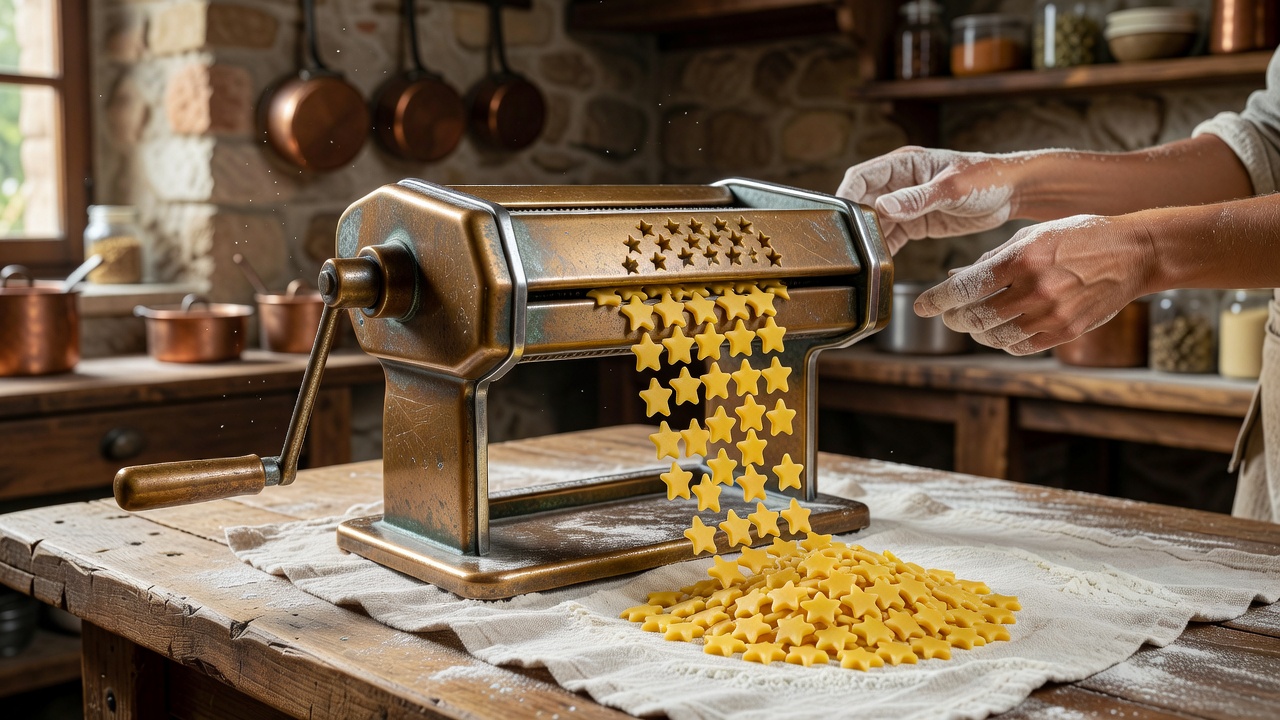
If you've ever purchased high-quality artisan pasta from Italy, you might have noticed the phrase "Trafilata al Bronzo" (bronze die extruded) printed on the packaging. But what does it mean, and why does it command a premium price over standard supermarket pasta?
The Mechanics of Extrusion
Dried pasta, typically made from durum wheat semolina and water, is formed by pushing the dough under immense pressure through a mold called a die. The material of this die drastically changes the physical characteristics of the final noodle.
Teflon Dies: The Mass-Market Choice
Most commercial pasta is extruded through Teflon-coated dies. Teflon provides a slick, frictionless surface. This allows pasta factories to pump out thousands of pounds of pasta per hour at blazing speeds. The resulting pasta has a shiny, smooth, and yellow surface.
The Downside: Smooth pasta is terrible at holding sauce. Tomato and oil-based sauces simply slide off Teflon-extruded pasta, leaving a puddle at the bottom of your bowl.
Bronze Dies: The Artisan Standard
Traditional extruders use dies cast from solid bronze. Bronze is a rough metal with micro-abrasions. As the dense pasta dough is forced through the bronze, the metal pulls and tears at the surface of the dough, creating a cloudy, rough, and highly textured exterior.
- Superior Sauce Adhesion: The microscopic rough texture acts like a sponge, allowing sauces to cling perfectly to every millimeter of the noodle.
- Better Starch Release: The rough exterior releases more starch into your boiling water. As detailed in our Fettuccine Alfredo guide, starchy pasta water is the key to perfectly emulsified pan sauces.
- Slower Drying: Bronze extrusion is typically paired with slow, low-temperature drying (sometimes taking up to 48 hours), which preserves the wheat's nutty flavor and nutritional profile.
Essential Kitchen Tools for Home Cooks
If you aren't ready to invest in a motorized bronze extruder like the Fimar or Bottene, you can still craft amazing pasta at home. We highly recommend a solid stainless steel hand-crank machine (such as the Marcato Atlas 150) for rolling out your handmade dough, alongside a traditional brass ravioli stamp for stuffed pastas.
For more official specifications on pasta machines, visit the official Marcato Website.